Homeowners often expand their properties by building additions such as extra bedrooms, garages, sunrooms, decks, or second-story extensions. Yes, it can be illegal to build an addition without obtaining the required permit approval in Pennsylvania. Most municipalities require building permits for structural additions to ensure compliance with applicable building codes, zoning ordinances, and safety regulations. Beginning construction without obtaining required permits may result in stop-work orders, fines, delays, required modifications, or even removal of the unapproved construction. Whether a permit is legally required depends on the type of addition, local building regulations, and the specific circumstances of the project.
What Does “Building an Addition Without Permit Approval” Mean?
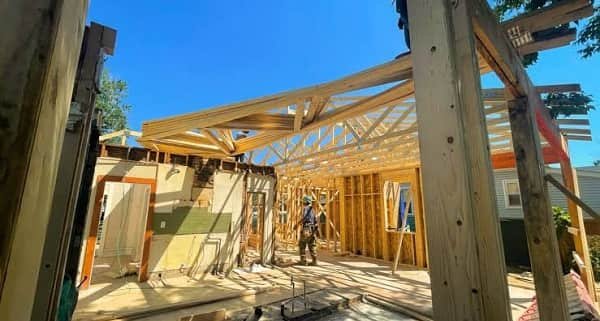
The phrase generally refers to constructing or enlarging a residential or commercial building without first obtaining any permits required by the local municipality. Additions may include new rooms, attached garages, enclosed porches, expanded living spaces, finished basements involving structural changes, or other projects that increase the size or alter the structure of an existing building.
Permit requirements are intended to ensure that construction meets applicable safety, electrical, plumbing, mechanical, and structural standards.
Does Pennsylvania Require Building Permits?
Pennsylvania does not issue a single statewide building permit for every construction project. Instead, permit requirements are generally administered by local municipalities under the Pennsylvania Uniform Construction Code (UCC) and applicable local ordinances.
In most communities, structural additions require permits and inspections before and during construction. The exact requirements may vary depending on the municipality, the scope of the project, and whether the work falls within an exemption provided by law.
What Happens if Someone Builds Without a Required Permit?
Constructing an addition without obtaining a required permit may lead to several legal consequences. Local code officials may issue a stop-work order, require the owner to obtain permits retroactively, impose fines or penalties, require inspections, or order that noncompliant work be corrected or removed.
If the completed addition cannot be brought into compliance with applicable codes or zoning requirements, additional legal action may be necessary before the project can remain in place.
Can an Unpermitted Addition Affect a Home Sale?
Yes. An unpermitted addition may complicate the sale of a property. Buyers, lenders, title companies, and home inspectors often inquire about permits for significant improvements.
Failure to obtain required permits may delay closing, reduce the property’s market value, increase repair costs, or require corrective work before the transaction can proceed. Sellers may also have disclosure obligations regarding unpermitted construction depending on the circumstances.
Are There Any Projects That Do Not Require Permits?
Yes. Some minor repairs, cosmetic improvements, or routine maintenance projects may not require building permits under local regulations. Examples may include certain painting, flooring, cabinetry, or other nonstructural work.
However, because permit exemptions differ among municipalities, property owners should confirm local requirements before beginning construction rather than assuming a permit is unnecessary.
How Can Property Owners Avoid Permit Problems?
Property owners should contact the local building department before starting construction, determine whether permits are required, submit complete permit applications, schedule required inspections, use qualified contractors when appropriate, and retain copies of approved permits and inspection records.
Following the permitting process from the beginning is generally less expensive and less disruptive than attempting to correct violations after construction has already started or been completed.
The Bottom Line
Yes, it can be illegal to build an addition without obtaining the required permit approval in Pennsylvania. While permit requirements are generally administered by local municipalities rather than through a single statewide permitting system, most structural additions require permits and inspections under the Pennsylvania Uniform Construction Code and applicable local ordinances. Building without the necessary approval may result in stop-work orders, fines, delays, corrective construction, or other legal consequences. Because permit requirements vary depending on the municipality, the type of project, and local building regulations, property owners should understand the applicable rules and obtain the required approvals before beginning any major construction project.