Service animals and assistance animals help individuals with disabilities live independently, and housing providers must comply with fair housing laws when considering requests for accommodations. Yes, it can be illegal to refuse a qualified service animal or other legally protected assistance animal in a rental unit in Pennsylvania if the refusal violates federal or Pennsylvania fair housing laws. In many situations, landlords must make reasonable accommodations for tenants with disabilities, even if the property has a “no pets” policy. However, not every animal automatically qualifies for legal protection, and limited exceptions may apply depending on the housing provider and the specific circumstances.
What Is a Service Animal?
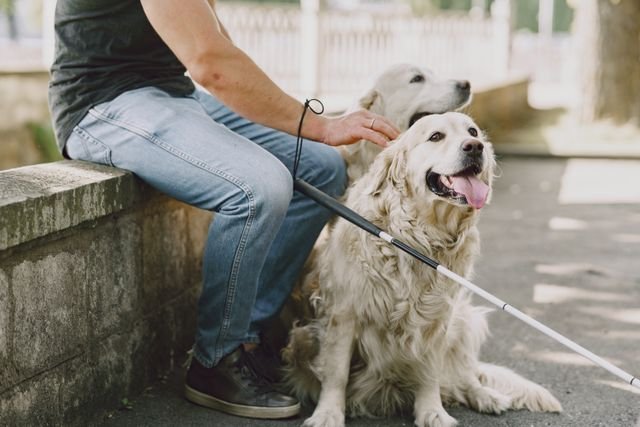
A service animal is generally an animal that has been individually trained to perform specific tasks for a person with a disability. Examples include guiding individuals who are blind, alerting people who are deaf, retrieving objects, assisting with mobility, or performing other disability-related tasks.
In housing, federal fair housing laws also recognize certain assistance animals that provide disability-related support, even if they are not individually trained as service animals. These housing protections are broader than the rules that apply to public accommodations under the Americans with Disabilities Act (ADA).
Are Landlords Required to Allow Service Animals?
Generally, yes. Housing providers covered by applicable fair housing laws are generally required to provide reasonable accommodations for tenants with disabilities who need a service animal or another qualifying assistance animal.
This requirement often applies even when the lease prohibits pets or imposes pet restrictions. Because a qualifying service or assistance animal is generally not treated as a pet under fair housing law, a landlord cannot automatically deny the request solely because of a “no pets” policy.
Can a Landlord Ever Refuse a Service Animal?
Sometimes. A landlord may be permitted to deny a request if the animal does not qualify for legal protection, if the requested accommodation would impose an undue financial or administrative burden, fundamentally alter the nature of the housing provider’s operations, or if the specific animal poses a direct threat to the health or safety of others that cannot be reduced through reasonable measures.
Each request must generally be evaluated based on its individual facts rather than broad assumptions about a particular breed or species.
Can a Landlord Charge Pet Fees?
Generally, no. Because qualifying service animals and assistance animals are not typically considered pets under applicable fair housing laws, landlords generally may not charge pet deposits, pet rent, or pet fees solely because a tenant has such an animal.
However, tenants may still be responsible for paying for actual damage caused by the animal beyond ordinary wear and tear, just as they would be responsible for other damage to the rental property.
What Can a Tenant Do if a Request Is Denied?
A tenant who believes a landlord unlawfully refused a qualifying service or assistance animal may preserve written communications, maintain relevant medical or disability-related documentation where legally appropriate, and consider filing a complaint with the appropriate fair housing enforcement agency or pursuing other legal remedies available under federal or Pennsylvania law.
The available remedies depend on the facts of the case and the applicable housing laws.
How Can Landlords and Tenants Avoid Disputes?
Landlords should evaluate accommodation requests individually, follow fair housing requirements, request only legally permissible information when appropriate, document communications, and avoid blanket policies that automatically reject service or assistance animals.
Tenants should submit accommodation requests promptly, provide supporting documentation when legally required, maintain respectful communication, and understand the difference between pets, service animals, and other assistance animals under applicable law.
The Bottom Line
Landlords generally must provide reasonable accommodations for tenants with disabilities who require qualifying service or assistance animals, even when a lease contains a no-pets policy. At the same time, not every animal receives legal protection, and limited exceptions may apply based on the specific facts and applicable law. Because housing accommodation requests involve important disability rights and legal obligations, both landlords and tenants should understand their rights and responsibilities and seek qualified legal advice if disputes arise regarding service animals, assistance animals, or fair housing compliance.