Selling a home involves legal obligations that help buyers make informed decisions about the property’s condition. Yes, it can be illegal to sell a house without disclosing known water damage in Pennsylvania if the seller is required to disclose the condition and intentionally conceals or misrepresents a material defect. Pennsylvania law generally requires sellers of residential real estate to disclose known material defects through a written property disclosure statement, subject to certain exceptions. Water damage, recurring leaks, mold, structural issues, or flooding may qualify as material defects when they significantly affect the property’s value, safety, or desirability. Whether failing to disclose is unlawful depends on the seller’s knowledge, the nature of the damage, and the applicable legal requirements.
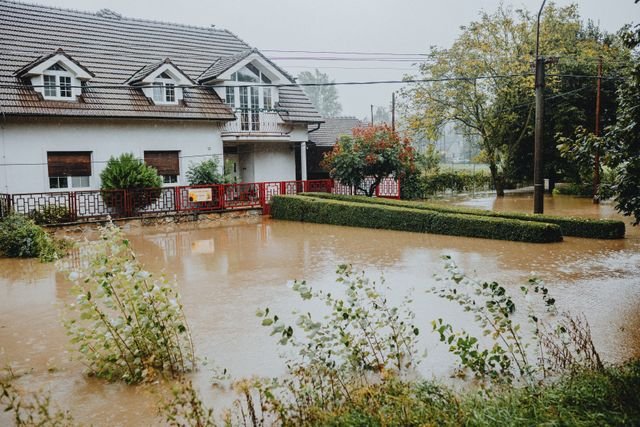
What Does “Failing to Disclose Water Damage” Mean?
The phrase generally refers to a seller intentionally or negligently withholding information about known water-related problems before completing the sale of a home. Examples may include concealing prior flooding, basement water intrusion, roof leaks, plumbing leaks, mold caused by moisture, or structural deterioration resulting from water damage.
Failing to disclose may also involve making false statements about the property’s condition or attempting to hide visible signs of water damage through cosmetic repairs without revealing the underlying problem.
Does Pennsylvania Require Sellers to Disclose Water Damage?
Yes. Pennsylvania’s Real Estate Seller Disclosure Law generally requires sellers of residential real estate to provide buyers with a written disclosure statement identifying known material defects affecting the property, unless a statutory exception applies.
Known water damage, recurring moisture issues, drainage problems, or flooding history may need to be disclosed if they constitute material defects under the law. Sellers are generally required to disclose conditions they actually know about rather than conditions they merely suspect.
Is Every Water Problem a Material Defect?
No. Not every minor stain, temporary moisture issue, or repaired plumbing problem automatically qualifies as a material defect requiring disclosure. The significance of the condition depends on its severity, permanence, impact on the property, and whether it would likely influence a reasonable buyer’s decision.
However, recurring leaks, hidden mold, chronic flooding, foundation damage caused by water, or significant structural deterioration are more likely to be considered material issues requiring disclosure.
What Happens if a Seller Conceals Water Damage?
A seller who intentionally conceals or misrepresents known water damage may face civil liability if the buyer later discovers the problem. Depending on the circumstances, the buyer may seek damages, rescission of the transaction where available, repair costs, or other legal remedies authorized by Pennsylvania law.
Fraud, negligent misrepresentation, breach of contract, or violations of disclosure obligations may become relevant depending on the facts of the transaction.
Can a Buyer Protect Against Hidden Water Damage?
Yes. Buyers should carefully review the seller’s disclosure statement, obtain a professional home inspection, ask specific questions about prior water intrusion or flooding, inspect basements and crawl spaces, and preserve written communications regarding the property’s condition.
Although inspections are valuable, they may not reveal every hidden defect, making truthful seller disclosures an important part of the transaction.
How Can Sellers Avoid Legal Disputes?
Sellers should complete the required disclosure forms honestly, disclose all known material water-related defects, update disclosures if significant new information becomes available before closing, maintain records of repairs, and avoid making misleading statements about the property’s condition.
Providing accurate and complete information helps reduce the risk of future disputes and promotes fair real estate transactions.
The Bottom Line
Yes, it can be illegal to sell a house without disclosing known water damage in Pennsylvania if the seller is legally required to disclose the condition and intentionally conceals or misrepresents a material defect. Pennsylvania law generally requires residential sellers to disclose known material defects through a written property disclosure statement, although certain exceptions may apply. Water damage that significantly affects a property’s value, safety, or habitability is often a material issue requiring disclosure. Because disclosure obligations depend on the seller’s knowledge, the facts of the transaction, and the applicable law, both buyers and sellers should understand their legal rights and responsibilities and seek qualified legal advice when questions arise regarding residential real estate disclosures.