When a tenant falls behind on rent, landlords may seek to recover possession of the rental property, but they generally must follow Pennsylvania’s legal eviction procedures. Yes, it is generally illegal for a landlord to lock out a tenant for unpaid rent in Pennsylvania without first obtaining a court order through the proper eviction process. A landlord cannot usually force a tenant out by changing the locks, removing the tenant’s belongings, shutting off utilities, or otherwise denying access to the rental unit simply because rent is overdue. Pennsylvania law generally requires landlords to follow statutory notice requirements and obtain judicial authorization before a tenant can be lawfully removed from the property.
What Does “Locking Out a Tenant” Mean?
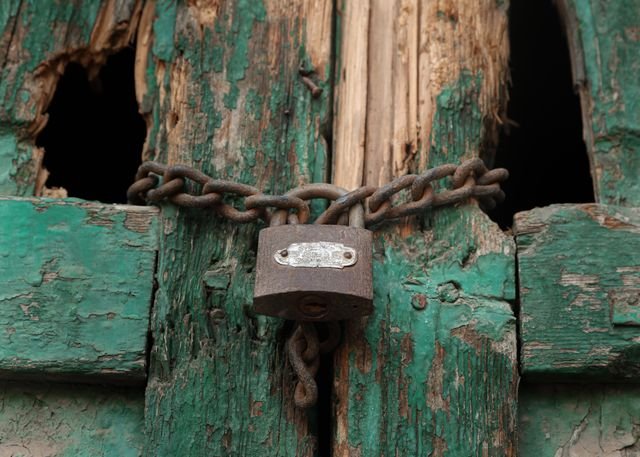
A lockout generally occurs when a landlord prevents a tenant from accessing the rental property without using the legal eviction process. Common examples include changing the locks, installing new locks without providing keys, blocking entry, removing the tenant’s personal belongings, disconnecting essential utilities to force the tenant to leave, or otherwise making the property inaccessible.
These actions are often referred to as “self-help” eviction because the landlord attempts to regain possession without court involvement.
Can a Landlord Lock Out a Tenant for Unpaid Rent?
Generally, no. Even if a tenant has failed to pay rent, Pennsylvania law generally requires the landlord to pursue a lawful eviction through the court system rather than taking possession of the property independently.
The landlord typically must provide any required notice, file an eviction action, obtain a judgment where appropriate, and follow the legal procedures required before the tenant can be removed. Physical removal is generally carried out only through the lawful enforcement process after a court order.
Why Is Self-Help Eviction Prohibited?
The legal eviction process is designed to protect the rights of both landlords and tenants. Court supervision helps ensure that disputes are resolved fairly, tenants have an opportunity to respond, and removals occur only when authorized by law.
Allowing landlords to remove tenants without judicial oversight could lead to wrongful evictions, property disputes, and unnecessary safety risks.
What Happens if a Landlord Conducts an Illegal Lockout?
A landlord who unlawfully locks out a tenant may face civil liability depending on the circumstances. The tenant may have legal remedies that could include seeking restoration of possession, compensation for damages, recovery of personal property, or other relief authorized by Pennsylvania law.
In addition, an unlawful lockout may delay the landlord’s ability to recover possession through the proper legal process and could complicate any pending eviction proceedings.
What Should Landlords Do Instead?
When rent is unpaid, landlords should follow the procedures established by Pennsylvania landlord-tenant law. This generally includes providing any required notices, maintaining accurate payment records, filing an eviction action if necessary, attending court proceedings, and complying with any resulting court orders.
Using the legal process helps reduce the risk of liability and ensures that the eviction is handled according to applicable law.
How Can Tenants Protect Their Rights?
Tenants should keep copies of their lease, rent receipts, payment records, and all communications with the landlord. If a landlord attempts an unlawful lockout, tenants should document the situation, preserve evidence, and seek appropriate legal assistance as soon as possible.
Prompt action may help protect both the tenant’s access to the property and any legal remedies that may be available.
The Bottom Line
Even when rent is overdue, landlords ordinarily must provide any required notices, obtain a court order, and complete the judicial eviction process before recovering possession of the rental property. Changing locks, removing belongings, or shutting off utilities to force a tenant to leave is generally not permitted as a substitute for a lawful eviction. Because landlord-tenant disputes depend on the lease agreement, the facts of the case, and Pennsylvania eviction laws, both landlords and tenants should understand their legal rights and responsibilities and seek qualified legal advice when questions arise regarding unpaid rent or eviction procedures.