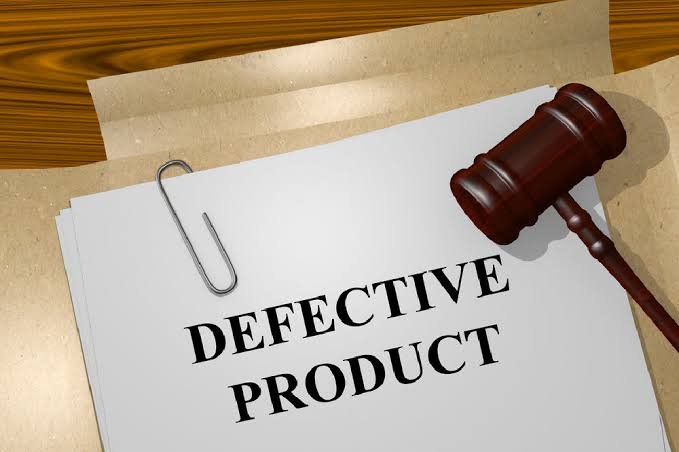
A failure-to-warn claim arises when a manufacturer, distributor, or seller puts a product on the market without adequate instructions or warnings about a danger it poses. It depends: selling a defective product without proper warnings isn’t typically a criminal act in Pennsylvania, but it is a serious civil violation that can expose a business to substantial liability under the state’s strict products liability laws.
Most people assume “illegal” only means criminal, but in Pennsylvania product liability law, the more common consequence is a lawsuit rather than criminal charges.
Pennsylvania’s Strict Liability Framework
Pennsylvania allows injured consumers to bring strict liability claims against manufacturers and sellers of defective products. Under this doctrine, a plaintiff doesn’t have to prove the company was negligent or intended harm — only that the product was defective when it left the seller’s control and that the defect caused an injury. This standard, refined in the landmark case Tincher v. Omega Flex, makes it significantly easier for consumers to hold companies accountable than a typical negligence claim would.
Failure to Warn as a Type of Defect
Pennsylvania law recognizes three main categories of product defects: design defects, manufacturing defects, and failure to warn, sometimes called marketing defects. A failure-to-warn claim applies when a product carries an inherent risk that can’t be designed away, and the manufacturer had a duty to alert users but didn’t. Liability doesn’t depend on the manufacturer’s intent, but on whether the product lacked sufficient warnings to help an ordinary user recognize and avoid foreseeable dangers.
Warnings can fail in several ways: they may be missing entirely, confusing, buried in dense technical language, or fail to convey how serious a risk actually is. Instructions that assume the user already has specialized knowledge can also be considered inadequate.
What Companies Are Required to Warn About
Manufacturers and sellers must warn about risks they knew or should have known about at the time of sale, including dangers found through testing, past incidents, or industry knowledge. The duty doesn’t end at the point of sale — manufacturers may need to issue updated warnings or a recall if new risks emerge later.
Common Defenses Companies Raise
Businesses accused of failing to warn often argue the danger was open and obvious, meaning an ordinary user should have recognized it without a label. Pennsylvania courts scrutinize this carefully, since a risk existing isn’t the same as it being obvious in nature and severity. Another common defense is product misuse, though courts generally reject this if the product was used as the manufacturer should reasonably have expected.
What a Plaintiff Must Prove
To succeed in a failure-to-warn case, an injured consumer generally must show the product posed a danger the manufacturer knew or should have known about, that the warning provided was inadequate or absent, and that this caused the injury. Pennsylvania follows a modified comparative negligence rule, meaning a plaintiff can still recover damages even if partially at fault, as long as they aren’t found more than fifty percent responsible.
Potential Remedies for Injured Consumers
Consumers harmed by an inadequately warned product may pursue compensation for medical expenses, lost wages, and pain and suffering. Multiple parties along the supply chain, including manufacturers, distributors, and retailers, can potentially be named in a lawsuit depending on where the failure occurred.
When Criminal Liability Can Apply
While most failure-to-warn cases proceed as civil lawsuits, extreme circumstances can bring criminal exposure into play. Deliberately concealing known dangers, falsifying safety data, or knowingly selling a product that leads to serious injury or death can trigger criminal investigations separate from any civil litigation.
Practical Guidance
Businesses should document safety testing, maintain clear warning labels, and update warnings promptly when new risks emerge. Consumers who are injured should preserve the product and packaging, seek medical treatment, and consult a product liability attorney promptly, since Pennsylvania imposes a statute of limitations on these claims.
Bottom Line
Selling a defective product without adequate warning in Pennsylvania isn’t generally a crime, but it exposes a business to serious civil liability under the state’s strict products liability framework. Companies that knew or should have known about a danger and failed to warn consumers can face significant damages, and in extreme cases involving concealment or fraud, criminal consequences aren’t off the table either. Anyone injured by an inadequately warned product should consult a Pennsylvania product liability attorney to evaluate their options.